Showing posts with label Mission to Seafarers. Show all posts

Friday, 14 June 2013

Harwich - Celebrity Infinity

My final day with the Mission to Seafarers was spent in Harwich, visiting the cruise ship Celebrity Infinity.  Although the port of Harwich is approximately a mile from Felixstowe across the estuary (see picture below), to get there you need to travel over 30 miles by Road - rather frustrating when you're so close!

So close, yet so far.  The port of Felixstowe is on the right, and the port of Harwich on the left. 

Getting on board a cruise ship is no easy task, and we went through three sets of security before finally boarding the ship.  Celebrity Infinity is a 91,000 tonne ship, launched in 2001, which can accommodate 2170 passengers, and over 900 crew.  When I worked for the Mission to Seafarers in New Zealand I visited lots of cruise ships, and I would wonder freely around the ship meeting the crew, again things have changed hugely, and it would not be possible to do this any more. Instead we were escorted to the crew mess, where we met with some of the crew.  One of the challenges of a cruise ship is that with so many crew you can only hope to meet a few of them - even if on board for many hours.  One thing that particularly stuck me about being on board this ship was that with so many passengers and crew how were their spiritual needs met?  This is an issue on any ship, but when you have a crew of over 900 it seems even more important, because it is effectively a small floating town.  

Celebrity Infinity

The other thing that stuck me about visiting this cruise ship was how multi-cultural the crew are.  The crew come from all corners of the world, today we met people from Indonesia, the Philippines, Jamaica, Mexico and Ecuador, and I suspect there could easily have been at least 20 to 30 nationalities on board.  

In Harwich there is a small but pleasant seafarers centre, with basic facilities, which is situated on the station platform.  The centre is a few minutes walk from the cruise terminal, and it was good to see that the centre was being well used by the seafarers.


I had an interesting chat with the chaplain, the Revd Simon Davies, about the role of chaplaincy and priesthood.  Many (but not all) Mission to Seafarers Chaplain's are ordained, and when ship visiting Simon always wears a clerical collar, because he feels it often can help open up conversations.  But he did admit that it wasn't necessary to be ordained in order to do this job, because mostly the work entails visiting seafarers on board ships, helping in times of crisis, offering pastoral and practical support - important work, but not something you need to be ordained to do.  

It did make me ponder about the role of priestly ministry and chaplaincy within the Mission to Seafarers, and in what way being a priest going on board a ship may make a difference to say a lay person visiting.  This is something I imagine I'll need to continue to reflect on in the coming weeks.  I also would like to reflect in what way the spiritual needs of seafarers can be met, because this is an important aspect of the Missions work, and what prompted the Revd John Ashley to pioneer this work back in the 1830s - for the history of the Mission to Seafarers please click HERE.

It has been a fascinating week with the Mission to Seafarers, and I'd like to express my thanks to Simon Davies for allowing me to spend this week with him, and to Sister Marian and the staff at the Felixstowe Seafarers Centre who have been so welcoming.  I have loved the opportunity to reacquaint myself with the work of the Mission, and to see the changes that have taken place since I last worked for them, and how they continue to serve seafarers in ports across the world.

For information on how to support the work of the Mission to Seafarers please click HERE.

Wednesday, 12 June 2013

The Revd Simon Davies, Port Chaplain, Felixstowe

This interview with the Revd Simon Davies was published in FAN (Flying Angel News), Spring 2013, Issue 8


Simon works at the Felixstowe Seafarers' Centre on the UK's east coast.  Felixstowe is one of the UK's busiest ports, and Simon's centre welcomes over 1,000 seafarers a month.

What's the port of Felixstowe like?

Felixstowe handles approximately 40% of the UK's container trade, which means that it deals with a lot of ships, from smaller feeder ships right up to the very larger container carriers.

What facilities does your centre have?

We've got internet-enabled computers and telephones, so people can contact their loved ones. We also offer leisure facilities, including a bar, a TV and a pool table.  For those who need time to reflect, we have a chapel and a library too.  Over in Ipswich and Harwich, we have some seafarers' cabins, which have free internet facilities and are accessible 24 hours a day.

What services do seafarers use most?

Internet provision is without doubt the most popular service, through our Wi-Fi service or the computers.  Seafarers often use Facebook, Skype and email to keep in touch with their families.  Our shop, which stocks a range of souvenirs and treats, is also pretty popular as I'm sure you can imagine!

What goes on during a typical day?

A good deal of my time is spent visiting ships.  Because of short turn-around times in port, many seafarers don't have the opportunity to leave the vessel to visit the seafarers' centre, so I look out for their welfare and find out what their needs are.

What problems do seafarers most frequently come to you with?

Many seafarers want help and advice with practical issues, such as how to get in touch with their families, but when they're given an opportunity, they will often speak of the challenges of their lives at sea.  They talk about the effects that long periods of separation from their families have on their relationships, and that distance causes stress, strain and unhappiness.  

They also talk about work issues.  Sometimes they want help concerning an unfair employment contract, which may have left them unpaid or kept on beyond their original term.  Sometimes they speak of tensions on board within the crew.  These issues are often considered 'unsafe', so they appreciate being able to share their concerns with someone who is neutral, and outside the ship's hierarchy, who can help them.

What part of your work do you enjoy the most?

Helping seafarers in practical ways is very satisfying for me.  Some ships make regular visits to our ports, and in these cases it is possible to build up better relationships with seafarers, which has proven to be mutually enriching.

Mission to Seafarers Church Newsletter

This is an article for St Martin's Church Newsletter (16th June 2013), about my time with the Mission to Seafarers in Felixstowe.  It is largely based on my two earlier blog posts.

As part of my sabbatical I am spending a week shadowing the the Revd Simon Davies, the Mission to Seafarers Chaplain to the Ports of Felixstowe, Ipswich and Harwich.  The Port of Felixstowe is one of the UK's busiest ports, handling approximately 40% of the UK's container trade, and can accommodate some of the largest container ships in the world (up to 150,000 tonnes).  

Rev Simon Davies, leaving the 143,000 tonne MSC Trieste

Over 90% of the UK's imports come via the sea.  The port of Felixstowe deals with 40% of all UK container trader.  


The Port of Ipswich in contrast handles smaller bulk carrying ships up to 10,000 tonnes, transporting goods such as cement, wheat, fertilizer, timber and other commodities.  

In Felixstowe there is a very modern attractive Seafarers Centre, run by a mixture of paid staff and volunteers, but with a quick turn around of ships, it is not always possible for the seafarers to visit this centre, so the majority of Simon's time is spent visiting the seafarers on board the ships in port.  

It is 14 years since I last worked for the Mission to Seafarers in New Zealand, and I have noticed a number of significant changes.  The first big difference is security on board ships is much tighter.  When I worked for the Mission to Seafarers, we would wonder on board the ship as we wished. Now however security is much stricter, due to the International Ship and Port Security Code or ISPS, which was introduced in the wake of 9/11.  Now you are no longer able to just wonder on board a ship, but must get permission to board, and to sign for a visitors pass.  

The other big difference is the advances in technology.  One of the main priorities of seafarers is to keep in touch with their families, who they are away from for months on end.  In the past they would visit Seafarers centres, to make cheap calls on the banks of telephones.  Now they use use mobile phones and the internet to stay in touch with relatives.  So when Simon visits ships he takes on board a selection of SIM cards, and internet cards, which the seafarers can use in their own phones to contact their relatives at home.  Simon also carries with him a laptop and free WIFI, again so seafarers can contact their families via Facebook or Skype.  It is interesting to see what a difference modern technology has made to the lives of seafarers, and the work of the mission.

Some ship visits are very brief and can last a matter of a few minutes, and other visits you can be on the ship for quite a long time.  The length of a visit depends on many different factors including how busy the crew are, when the ship is due to depart, and also the type of welcome you receive when you board a ship.  Sometimes when visiting a ship we don't get any further than the gangway, and on other ships we are invited into the mess deck, and can be offered food and drink.  Often the seafarers talk about the difficulties they face being away from their families for up to 10 months at a time.  When the seafarers do return home, there is the challenge of re-establishing relationships within the family.  I have also talked to a number of seafarers about the dangers they face from piracy.  One seafarer told me that he always prayed for bad weather when they travelled past the Somali coast, because the pirates can't operate in rough seas. 

As a nation we are very reliant on all that seafarers do, so please do remember them in your prayers, and the work of chaplain's like Simon, serving seafarers all around the world.

Tuesday, 11 June 2013

Port of Ipswich

Whilst the Port of Felixstowe deals with container traffic the Port of Ipswich, seven miles up the Orwell River, deals with the smaller bulk carrying ships.  Cargoes such as timber, fertiliser, cement and other items make their way to the Port of Ipswich, which can take ships up to 10,000 tonnes.  

Unloading a cargo of onions all the way from New Zealand 

Ipswich comes under the care of the Felixstowe chaplain.  Today we visited a number of ships moored in Ipswich.  Because of the nature of the cargo they carry, ships that visit Ipswich tend to have a longer turn around time, compared to the container ships that go to Felixstowe (which are in port between 12 to 24 hours maximum).  In contrast some of the ships we visited today in Ipswich had been in port for several days. Certain cargoes - such as wheat or fertiliser, requires fine weather for unloading, so rain can prolong the time some ships stay in port.

The old seafarers centre in Ipswich, due to be replaced later this week with a more modern cabin

It is not possible for seafarers in Ipswich to visit the larger and much better equipped seafarers centre in Felixstowe, so instead there is a small, and rather dilapidated cabin which provides very basic facilities, including a very small chapel, tv, chairs and a computer and internet access.  This cabin is due to be replaced this week with a more modern cabin, which should improve facilities for the seafarers in Ipswich.  Unlike the centre in Felixstowe which is open from 10am to 10pm, seafarers can gain access to the mission centre in Ipswich 24 hours a day via a special code. 

Some ship visits are very brief and can last a matter of a few minutes, and other visits you can be on the ship for quite a long time.  The length of a visit depends on many different factors, including how busy the crew are and also the type of welcome you receive when you board a ship.  Sometimes when visiting a ship we don't get any further than the gangway, and on other ships we are invited into the mess deck, and can be offered food and drink.  Today we had a very good conversation with an Indonesian cook on board one ship.  He was a lovely Christian man, who went to his cabin to retrieve his Bible which you could tell was well used, and also his daily Bible notes that he received from a chaplain in another port he had visited.  We finished this visit by asking this seafarer if he'd like us to say a short prayer for him which he gladly accepted.  Whilst you can go away from some ships wondering what if any impact your visit, occasions such as, remind you why these visits can be really appreciated.  You simply never know what may happen when you visit a ship.    

As mentioned in yesterday's blog one of the big changes that I have noticed is in the use of technology on board ships, particularly the use of mobile phones.  When the chaplain visits a ship he always carries with him SIM cards, and mobile phone top up cards.  These are always very popular, and help open up access to the ship where otherwise access may be a bit difficult, although at time the chaplain admitted it could feel as though he was an unpaid rep for the mobile phone company.  Amongst the seafarers I have met over the last two days, the length of contract varies between six to ten months at sea.  Being constantly on the move, and far away from their homes and families, it is important that seafarers have the means to keep in touch with their loved ones.    

Back in Felixstowe I had chance to chat to the Apostleship to the Sea Chaplain, Sister Marian.  It was interesting to have the opportunity to talk with her about her experiences of ship visiting, and how seafarers relate differently to her because she is a female - the shipping industry still remains largely male dominated, although we did encounter a female officer yesterday.  Sister Marian not only covers the ports of Felixstowe and Ipswich, but also ports stretching up to Lincolnshire.    

Monday, 10 June 2013

Mission to Seafarers, Felixstowe

I first heard about the Mission to Seafarers from a friend in college, which led me to work for them as a Chaplain's Assistant in Auckland, New Zealand from 1998 to 1999. I loved my time with the Mission, and in more recent years have kept up my links with them, as an honorary preacher in the Diocese of Lichfield.

As part of my sabbatical, it was always my wish to spend sometime with a Mission to Seafarers Chaplain, to see how the work has changed over the last 14 years, and to consider whether this might be something I'd consider going back to in the future.  So I am spending a week shadowing the Felixstowe Mission to Seafarers Chaplain, the Revd Simon Davies, who has been in this current post for 18 months.  

It has been really great to be back on a port, and the opportunity to visit ships, something I've really missed over the years.

The port of Felixstowe is the largest container port in the UK, handling 40% of the containers that come into Britain.  It can accommodate the largest container ships currently in use (up to 150,000 tonnes).  Although Felixstowe is facing a challenge from the new Thames port, which seeks to take some of this trade away from this Suffolk port. 


In Felixstowe there is a very attractive, modern Seafarers centre on the port.  In this centre there is a chapel, shop, bar and area to relax in.  This centre is run by a mixture of paid staff and volunteers.  


The bar and shop of the Felixstowe Seafarers Centre

Games tables and computer desks in the centre

The very attractive garden behind the seafarers centre in Felixstowe

There are two chaplains working in the port of Felixstowe, Simon Davies, the Mission to Seafarers Chaplain, and a Apostleship of the Seas Chaplain.  There used to also be a Sailors Society Chaplain, but the Sailors Society has recently withdrawn its funding for its chaplains in Britain.  The two chaplains cover the Port of Felixstowe, Harwich and Ipswich.   

Today we visited three ships, the Cornelia Maersk (91921 tonnes), 


the Opdr Cadiz (7360 tonnes) 


and the Pucon (73,934 tonnes).  There were two things that really struck me about today's visit, compared to my experiences in New Zealand.

SECURITY

The first big difference is security on board ships is much tighter.  When I worked for the Mission to Seafarers (before 9/11), we would just wonder on board the ship as we wished.  Now however security is much tighter.  This is due to the International Ship and Port Security Code or ISPS, which was introduced in the wake of 9/11, over fears about terrorism.  Now you are no longer able to just wonder on board a ship, but must get permission to board, and to sign for a visitors pass.  

TECHNOLOGY

The other big difference is the advances in technology.  One of the main priorities of seafarers is to keep in touch with their families, who they are away from for months on end.  In the past they would visit Seafarers centres, to make cheap calls on the banks of telephones.  Now people use mobile phones and the internet to stay in touch with relatives.  So when Simon visits ships he takes on board a selection of SIM cards, and internet cards, which the seafarers can use in their own phones to contact their relatives at home.  This means that the banks of telephones in the Seafarers Centre which were in so much use, now are not required in the same way.  Simon also carries with him a laptop and free WIFI, again so seafarers can contact their families via Facebook or Skype.  

A lot of my time when I was a Chaplain's Assistant, when not ship visiting, was spent making calls on behalf of seafarers, it is interesting to see how modern technology has changed this aspect of the Mission to Seafarers work.  

On board the Cornelia Maersk, we had our best conversation of the day, talking to a veteran seafarer from the Philippines, aged 61.  He talked about some of the challenges he has faced being at sea much of his life.  One of the biggest challenges is how being away from his wife and family, has made it difficult to discipline his children, and that he has missed much of their growing up.  

His wife and children have been so used to not having him around, there is always a challenge when he does return home about re-establishing relationships within the family.

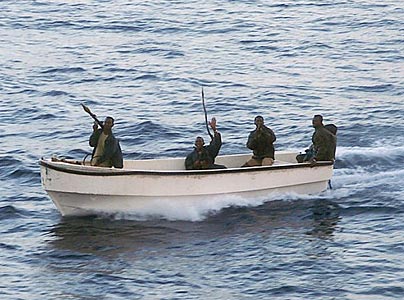
The ship he is on travels between Europe and Asia, and regularly travels via the Suez Canal, and the pirate invested waters off Somalia.  He told me that he had been lucky, and he had never been threatened by pirates, but he said he always prayed for bad weather when they travelled past the Somali coast, because the pirates can't operate in rough seas.  Although he's on a large ship, it brought home to me the dangers seafarers face from piracy, and how vulnerable they are from attack.  To come under attack from pirates must be a truly terrifying experience.  

I was also reminded to, from our ship visits, that although ships are busy places, they are also the home for seafarers, and so when boarding a ship, you are not just boarding someone's place of work, but also their home, and respecting this is extremely important.

It has been a fascinating day, and it has been interesting to see how the work of the Mission to Seafarers has changed during the last decade or so, but also how the ship visiting remains at the heart of what this job is all about.  

Monday, 6 February 2012

For Those In Peril On The Sea

Walsall Faith Advertiser Living Faith Article 26 January 2012

At the time of writing this article, there is one item dominating the news, the tragic sinking of the cruise ship Costa Concordia.  What makes this tragedy even more heart breaking is that it appears to be solely down to human error. The Costa Concordia was the world’s 26th largest cruise ship, able to accommodate 4,300 passengers and 1,100 crew.

In the same week the Costa Concordia sank, five fishermen lost their lives when their trawler sank in the Irish Sea.  These tragedies remind us of the dangers that people face working at sea.  On average 230 ships are lost every year, with the loss of over 2000 lives. 

Before I became a vicar I worked for ‘The Mission to Seafarers’. My job was to visit the crew who worked on ships that came into the Port of Auckland in New Zealand, and offer practical, emotional and spiritual support.

Over 90% of the goods brought into the United Kingdom come by sea, and yet we rarely think about the people who transport these goods to us, and the hardships they face.  The expression ‘out of sight, out of mind’ could well be applied to seafarers.  Constantly on the move, living and working in dangerous conditions, small multi-national crews, far away from their loved ones, life for most seafarers is very tough. 

In the parable of the Sheep and Goats Jesus commends those who feed the hungry, give water to the thirsty, welcome the stranger, clothe the naked, look after the sick, and visit the prisoner.  He said “I tell you the truth, whatever you did for one of the least of these brothers of mine, you did for me.” (Matthew 25:40).  This is at the heart of what it means to love God and love others.  It was for this reason that the Mission to Seafarers was established in the 19th Century by the Revd John Ashley. 

Although seafarers may be out of sight, they do not need to be out of mind.  Please remember in your prayers those who work at sea, far from their homes and loved ones, and those who seek to care for them.  As the captain of one ship wrote, ‘We thank you for your prayers, which keep us strong to stand in the time of our need.’    

Wednesday, 16 February 2011

The Mission to Seafarers


The Mission to Seafarers traces its origins back to the early 19th century, to a young Anglican clergyman called John Ashley.


In 1835 John Ashley was holidaying on the Bristol Channel. Walking along the cliffs one day he noticed a large fleet of sailing ships lying out in the channel waiting for a favourable wind to take them out to sea. He made some enquiries amongst the locals, and was told that no clergyman visited these ships, and so the next day he hired a boat and set sail for the fleet.


Ashley was so moved by the conditions he found the seafarers living in, that he decided to leave parish ministry and devote the rest of his life to serving seafarers.


Over a period of 15 years, John Ahsley visited thousands of ships at sea, taking services, and giving away thousands of Bibles & prayers books to British seamen.


John Ahsley's example inspired other clergy to start similar ministries amongst seafarers in different parts of the country, and in May 1858, The Missions to Seamen, as it was then known, was officially born.


The logo for this newly formed organisation was a Flying Angel. 


The inspiration for this was drawn from Revelation 14:6 "Then I saw another angel flying in midair, and he had the eternal gospel to proclaim to those who live on the earth—to every nation, tribe, language and people." And it is this verse of Scripture which underpins all that the Mission to Seafarers stands for. The object of the society has always been to care for the spiritual and physical welfare of all seafarers, and to proclaim the eternal Gospel to all people. From this small beginnings in the Bristol Channel, the Mission to Seafarers has grown, and now has full time chaplain's in more than 100 ports around the world, and is represented in some 130 others by honorary chaplains. 


Life of Seafarers


There are approximately 1.2 million merchant seafarers worldwide. 95% of all the goods brought into the UK, come by sea, so seafarers play a vitally important role in all our lives, but despite that the expression 'out of sight, out of mind' could easily be applied to seafarers. 


Thanks to the success of the Fairtrade campaign, we are a lot more aware about where our food comes from, and who produces it. But I suspect that people rarely ever think about the people that bring these goods to this country by sea, and the conditions they have to live and work in.


The life of seafarers is very demanding:


Isolation – the BIGGEST problem, crews away from home for months, sometimes (18 months or more). Little or no contact with families. Miss key events – birthdays, weddings, funerals, religious festivals. Constantly on move from one port to another.

ADDING to problems of isolation are:
  • Small crews – more work
  • Multinational crews – no shared language


Short turn around times in ports – changes in shipping industry mean ships now spending more time at sea. I visited one car carrying which after 2 weeks at sea, spent only 6 hours in port before leaving for its next destination.


Dangerous working conditions – on average 230 ships worldwide are lost every year, this accounts for around 2000 lives. But we rarely hear about this. Imagine the reaction if every single year 37 airliners crashed – you would expect to hear about it. But you don't when it comes to seafarers. 


Flags of convenience – this is the practice of registering a ship in a different state from the ship's owners. For example, the ship might be owned by a Japanese company, but fly the flag of Liberia or Panama. The advantage for the ship owner is that registering a ship under a flag of convenience means cheap registration fees, low or no taxes and freedom to employ cheap labour. But for the seafarers it often means that their basic human rights are not respected or upheld, such as the hours they should work, what conditions on board should be like, how much they get paid and so forth. It is like being able to register a car in Liberia so I can drive it on British roads without having to get the brakes fixed. Some seafarers describe their job is like being 'at prison with a salary'. But the Maritime Charities Funding Commission actually found that the provision of 'leisure, recreation, religious services, and communication facilities is better in UK prisons than on many ships.' 


Piracy – in 2010, 445 incidents of piracy:
53 vessels were hijacked                                 

1181 crew were taken hostage                                

8 crew killed                                     

Somalia accounts for 92% of the 2010 figures                


Economic Downturn – having big impact on shipping industry. Lots of ships being 'laid up' – there is a human cost to this story, skeleton crews left on these ships, with little or no means of escaping.


Ship abandonment –there are currently 112 cargo ships lying abandoned in docks around the world, leaving hundreds of seafarers stranded without pay and with no way to get home. Ships are often abandoned by their owners it they run into financial difficulties, or if ships are detained for breaking safety regulations. It is often cheaper for the owner to abandon the ship than pay for improvements. 


This photo is of the The Most Sky, a Turkish owned ship sailing under the flag of Panama, and lying abandoned in Birkenhead. On board this ship there was a crew of 11 Georgians. The conditions on board were terrible. They had no heating apart from an old kebab grill, the bunks were soaking wet, and the man assigned to catering duties could only cook potatoes. When eventually 8 members of the crew were paid and repatriated, they were arrested in Turkey on false charges.


The role of the Mission to Seafarers


The Mission to Seafarers seeks to care for the spiritual and physical needs of seafarers of all races and creeds. But the heart of this ministry is a desire to share with these seafarers the love of God. In Matthew's Gospel Jesus commended those who feed the hungry, give water to the thirsty, welcomed the stranger, clothed the naked, looked after the sick, and visited the prisoner. He said "I tell you the truth, whatever you did for one of the least of these brothers of mine, you did for me." (Matthew 25:40). This parable really embodies what the Mission to Seafarers strives to do. 


Mission to Seafarers in 2010 chaplains & volunteers 


Visited more than 76,000 ships 
Dealt with over 400 justice and welfare cases involving 800 seafarers

Welcomed more than 640,000 seafarers to their centres

Provided transport for 680,000 seafarers

Visited nearly 600 seafarers in hospital

Distributed 175,000 Bibles and other items of Christian literature

Helped send 622,000 telephone & email calls on behalf of seafarers


Auckland Mission:


My jobs included:

Ship visiting – friendly face, not demanding anything from seafarers, there only to help & support. The captain of one ship wrote to the chaplain in Mombassa, We cannot say enough how grateful we are for the overflowing warmth and hospitality that was given to us.
Welfare cases – Chaplains are often the first people the crew turn to
- ship came into Auckland with no fresh food or water, we ensured crew had enough food to get to next port & reported ship to International Maritime Authority.
Filipino sailor Lito, came to help, after not be paid. Are intervention helped secure the $2000 he was owed.
Japanese sailor – injured in accident on ship, fearful of leaving ship & loosing job, we were able to contact Chaplain in Fiji – the ships next port of call, to ask them to check on this man.
A seafarer wrote. Recently I was assisted by your chaplain in Thailand who went out of his way to assist me. It makes me feel that if ever there was a problem and I need to discuss something, then your society can be relied upon.
Help in times of personal crisis – floods in Philippines
SHIP ABANDONMENT – providing food & clothes, helping then stay in touch with their families, campaigning on behalf of seafarers to secure their pay and get their repatriated to their families.
Centre
- known as 'Flying Angel Clubs' by Seafarers because of the logo. They are a place for seafarers to come & relax, watch TV, or play snooker, or pool. Small shop selling food, cheap clothes, and souvenirs, & book and video library, which the seafarers could take with them to sea. Chapel at heart of centre – a place for seafarers to come &; pray. Cheap phone calls & internet so people can stay in touch with families. The year I was in Auckland we made over 15,000 international phone calls, to over 112 different countries. An average of 40 international calls a day! And we welcomed 22,000 visitors from 95 different countries to our centre.


The Mission to Seafarers Today


As the Shipping Industry changes, so the Mission to Seafarers is also changing in order to continue to meet the needs of seafarers. For example in 2007 Prince Charles launched the MV Flying Angel in Dubai, so they can reach the 100 -150 ships that are moored off the coast of Dubai every day. One Russian Captain said this "There are very few places we can step down from our ship. On the route we are on from Saudi to East Asia. This is the first time I have stepped down from the ship in 6 months."


Increasingly, as ships spend less time in port, chaplains are increasingly taking on board ships mobile phones & laptops so seafarers can contact their families. 


2008 Strategic review - new Centres being developed around the world. For example, the Mission is expanding its work in the port of Belem, which is on the banks of the Amazon estuary in Brazil. And in 2008 two new seafarer's centres were opened in Mangalore & Tuvalu


How you can help


So how can we support seafarers, and the work of the Mission to Seafarers?


Prayer


In 1 Thessalonians we are encouraged to pray continually. We need to remember the seafarers, and for the hardships they experience for our sake. To pray for them as they spend many months sometimes years away from their families. We should pray for their safety at sea. For those seafarers who are inadequately fed and clothed. Our prayers are important to the seafarers. This is what the crew of the Black Bart, stranded in NZ for three months wrote to the chaplain. We thank you for your prayers that keep us strong to stand in time of our needs. We can't repay for what you've done to us which we can't forget in a lifetime.


Focus on work of Mission to Seafarers on Sea Sunday – every July


Financial Support


The Mission to Seafarers relies upon the financial support that it receives from churches and individuals to enable its work to continue. The money raised helps support mission centres across the world.


The work of the Mission to Seafarers continues day by day, throughout the world, and truly makes a difference to the lives of countless thousands of men and women who work at sea. It is Christian love in action. We depend upon seafarers all year round, it is important that we remember them in our prayers and remember the Church's ministry to them. Master Mariner John Clark said this about the work of the Mission to Seafarers. It is my firm belief that seafarers need the ministry of the Mission to Seafarers more than ever. There are so many abuses perpetrated on seafarers today which the Mission has to deal with and seeks to address. There are also many thousands of Christian men and women at sea who are away from their families and home churches for many months, who rely on the Mission for spiritual support.


Jesus said, 'I tell you the truth, whatever you did for one of the least of these brothers of mine, you did for me.'


To visit the official Mission to Seafarers website please click HERE